Audiobooks bring stories to life with engaging narrations and the flexibility to listen anywhere, but logging them in a reading journal requires a slightly different approach. With a few creative tweaks, you can track your audiobook journey, reflect on the narrators’ performances, and document key moments just like with traditional books.
In this post, we’ll explore unique ideas for logging audiobooks in your reading journal and making the most of this immersive format.
1. Narrator Spotlight
Create a section in your journal to highlight audiobook narrators who brought the story to life. Include:
- Narrator’s name and style (e.g., dramatic, calming, energetic).
- Favorite lines or scenes performed by them.
- Notes on whether you’d listen to more books narrated by them.
2. Listening Tracker
Track your audiobook progress with visual tools:
- Hourly Log: Record how many hours or chapters you’ve listened to each day.
- Completion Bar: Use a progress bar to visualize how far you are into the audiobook.
- Time Tracker: Note the total length of the audiobook and how long it took you to finish.
3. Performance Ratings
Dedicate a space to rate the audiobook performance:
- Voice Acting: Rate the narrator’s ability to differentiate characters or add emotion.
- Pacing: Reflect on whether the narration pace enhanced the story.
- Sound Quality: Note any standout effects, music, or clarity issues.
4. Favorite Scenes in Audio
Audiobooks can enhance certain scenes with tone and pacing. Use your journal to:
- Highlight favorite moments that stood out in audio format.
- Reflect on how the narrator added depth to emotional or suspenseful scenes.
5. Quote Collection
Write down standout quotes or lines and reflect on how they were delivered:
- Did the narrator’s tone add impact to the line?
- How did the quote resonate with you when heard aloud?
6. Audiobook Formats and Sources
Track where and how you accessed the audiobook:
- Listening platform (e.g., Audible, Libby, Spotify).
- Format (e.g., single narrator, full-cast production).
- Ease of use or standout features of the platform.
7. Listening Mood Tracker
Log how the audiobook made you feel throughout the story:
- Use emojis, colors, or symbols to capture your emotions at key points.
- Reflect on how the audio enhanced suspense, joy, or sadness.
8. Genre Exploration with Audiobooks
Certain genres excel in audio format. Use your journal to track:
- Genres you’ve listened to and how they worked in audio.
- Whether certain genres (e.g., thrillers, memoirs) are more engaging in this format.
9. Recommendations List
Use your journal to jot down:
- Audiobooks recommended by friends or social media.
- Titles you’d recommend to others based on the narration style.
- Narrators or series you plan to explore next.
10. Comparison to Print
If you’ve read the book in print or digital format before, reflect on how the audiobook compares:
- Did the narration add a new layer to the story?
- Were certain scenes more impactful in audio vs. reading?
- Would you reread it in another format?
Ready to Log Your Audiobooks?
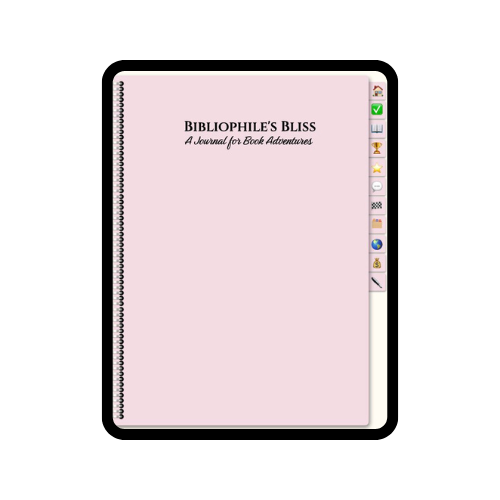
Our Bibliophile’s Bliss Reading Journal includes review pages and book trackers where you can record your audio books reflecting on narrations, and documenting key moments. Download your free sample here and start logging your audiobooks creatively today!
Logging audiobooks in your reading journal is a fantastic way to capture the unique aspects of this storytelling format. From narrator spotlights to favorite scenes, these ideas will help you document and reflect on every immersive listening experience.
Happy journaling and happy listening!