Reading is more than just turning pages—it’s about connecting with stories, exploring new ideas, and reflecting on what those stories mean to you. A reading journal is the perfect tool to capture those thoughts and deepen your relationship with the books you read.
In this post, we’ll share tips and prompts for using your journal to reflect on your reading and gain more from every book you pick up.
Why Reflect on Your Reading?
1. Enhance Your Understanding
Writing about what you read helps clarify themes, ideas, and characters, making the story more memorable and meaningful.
2. Strengthen Your Connection to Stories
By reflecting on a book, you create a personal connection with its themes and characters.
3. Uncover Patterns in Your Preferences
Journaling about your likes and dislikes can help you discover trends in your reading habits and refine your future selections.
Essential Reflection Prompts
Use these prompts to guide your journaling process:
1. What Stood Out?
- What were the most memorable moments or themes?
- Which characters or quotes resonated with you?
2. How Did It Make You Feel?
- Did the book evoke strong emotions?
- How did the ending leave you feeling?
3. What Did You Learn?
- Did the story offer a new perspective or teach you something valuable?
4. Would You Recommend It?
- Who would enjoy this book? Why?
5. How Does It Compare?
- How does this book stack up against others you’ve read in the same genre?
How to Structure Reflection Entries
- Book Details
Begin with the basics: title, author, genre, and date finished. - Summary of Thoughts
Write a short paragraph summarizing your overall impressions of the book. - Highlight Key Moments
List a few scenes, quotes, or ideas that stood out to you. - Rating and Recommendations
Give the book a star rating and note whether you’d recommend it to others.
Creative Ways to Reflect
1. Create a Mood Tracker
Use colors, emojis, or symbols to represent your feelings about each book.
2. Write Letters to Characters
Engage with the story by writing a letter to your favorite (or least favorite) character.
3. Compare Themes Across Books
Dedicate a section of your journal to exploring recurring themes in different books you’ve read.
4. Sketch or Doodle
Express your reflections visually by drawing scenes or characters from the book.
Incorporate Reflection into Your Routine
Daily Reflection
Jot down your thoughts after each reading session.
Weekly Review
Summarize your progress and key takeaways at the end of the week.
Post-Book Reflection
Write a detailed entry after finishing each book to capture your complete thoughts.
Start Reflecting Today
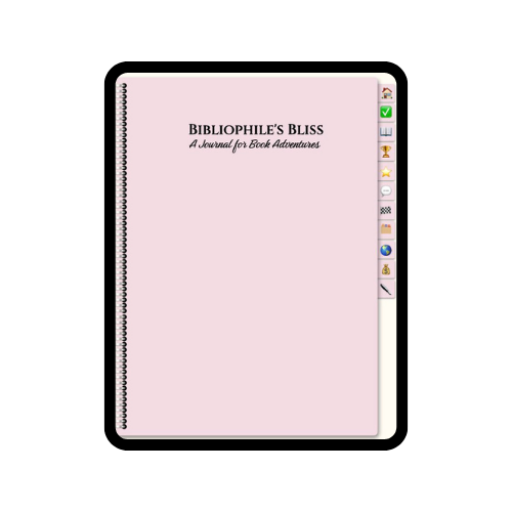
Our Bibliophile’s Bliss Reading Journal is designed to make reflection easy and enjoyable, with sections for book reviews, favorite quotes, and personal insights. Download your free sample here and start deepening your connection with the books you love.
Reflecting on your reading is a simple yet powerful way to enhance your literary journey. With thoughtful prompts and a structured approach, your journal becomes more than a tracker—it’s a space to explore and grow as a reader.
Happy journaling!